 City, State

10 New Year’s Resolutions for Seniors and Their Families
By HomeWell Care Services

Last updated: October 2, 2025
After the holiday season, many seniors are left feeling exhausted, overwhelmed or even a bit helpless. Between visiting with the grandkids, putting up festive decorations, and hosting a dinner for friends and family, older adults may feel like they haven’t had any time to take care of themselves. Thankfully, the new year promises a fresh start and a plethora of potential resolutions. While seniors’ priorities and desires may look completely different than when they were younger, there are plenty of ways older adults can enhance their lives and achieve new goals. Here’s a list of our top 10 New Year’s resolutions for seniors.
Table of Contents
Key Takeaways
- To ring in the new year, older adults should take their health into account—both their physical health and their mental well-being. Consider revamping your diet with healthier foods, quitting unhealthy habits, and checking in with your emotions.
- A major part of prioritizing health in the new year is scheduling annual doctors’ appointments. Make sure to set up time to see your primary care doctor, dentist, and eye doctor.
- Getting organized is a wonderful way to kick off a new year, whether it’s tidying up the home, setting up a better sleep schedule, or proactively planning for their future.
- By re-evaluating one’s lifestyle and taking steps to care for their well-being, seniors can set themselves up for a healthier, more enriching year.
1. Adopt a nutritious diet
A balanced and nutritious diet can help seniors feel energized throughout the day and prevent various health conditions, such as heart disease, diabetes, high blood pressure, and osteoporosis. Older adults should focus on adding more nutrient-dense foods—such as proteins, fruits, and vegetables—and foods high in fiber, calcium, and vitamins C and D into their diets.1
Staying hydrated is also essential for maintaining a healthy diet. Try to take sips of water throughout the day; otherwise, you may begin to experience dehydration symptoms like weakness, dizziness, confusion, and muscle cramps. These symptoms can appear worse in seniors with dementia and may even result in a trip to the emergency room if left untreated.2
2. Eliminate unhealthy habits
A common habit that many older adults try to quit is smoking. Smoking causes about 85% of lung cancer cases. Studies have found that frequent smokers who continue smoking past age 65 can expect to lose about 6 years of life compared to adults who have never smoked. Older adults who do quit smoking by age 65 have a change of gaining at least one more year of life.3 Older adults should also reduce or eliminate alcohol consumption. Due to social and physical changes, seniors have an increased sensitivity to alcohol and are more likely to misuse or abuse alcohol. In adults 65 and older, alcohol misuse can worsen or increase the risk of conditions like diabetes, high blood pressure, memory issues, and low bone density.4
3. Practice an active lifestyle
As an aging adult, one of the most important things you can do for your health is to stay physically active. Adopting a regular physical activity routine lowers your risk of several diseases and keeps your muscles strong, meaning you can remain independent longer.
While any physical activity is better than none, doctors recommend seniors incorporate the following exercises each week:5
- Aerobic activity, such as brisk walking, hiking, jogging or running
- Strength activity, such as weightlifting, body weight exercises, resistance bands or yoga
- Balance activity, such as dancing, yoga, or tai chi
4. Cultivate your hobbies
After retirement, many find themselves with extra free time on their hands, and there seems to be a never-ending list of New Year’s activities for seniors to enjoy. This is the perfect opportunity to learn a new skill or reconnect with one of your favorite pastimes. Various studies found that keeping the mind stimulated with activities like painting, writing, playing music, and learning a new language can have significant cognitive benefits.6 What better way to spend the new year than nourishing your cognitive health and having fun?
5. Form better sleep habits
Getting a good night’s sleep not only keeps you from feeling tired all day but it also plays a crucial role in your health. In fact, seniors who consistently don’t sleep enough or experience poor-quality sleep are at an increased risk of health problems, such as high blood pressure, cardiovascular disease, and diabetes.7
Developing a regular sleep schedule and following a bedtime routine is a great way to help your body prepare for sleep. To help improve sleep habits, seniors should stay active throughout the day, avoid napping in the late afternoon, and address any sleep problems with their doctor.7
6. Stay on top of your doctors’ visits
Make your health a priority this year by scheduling your medical appointments in advance. Start by making an appointment with your primary care doctor early in the year. Your primary care physician can help you understand your overall health and implement any recommended changes. They can also direct you to specialty doctors you should start seeing. It may also be a good idea to note what time of year you should plan to receive a vaccine. Having these appointments on your calendar early can help keep you organized and healthy.
7. Nurture your relationships
It’s important to stay connected with friends and family as we age. If we don’t, we’re more likely to feel isolated or lonely, which can be detrimental to our health. In fact, not only can loneliness leave you at an increased risk for depression, but it also increases your risk of heart disease, stroke, and type 2 diabetes.8 In addition to your physical well-being, chatting with your friends regularly and engaging in positive social experiences can improve your mental and emotional health.
For those who prefer in-person connections but live far away from family and friends, HomeWell’s Life Enrichment Activities Program (LEAP) may be able to help. This program is designed to ease feelings of loneliness and isolation by providing seniors with companionship and care services from a compassionate caregiver of their choice.
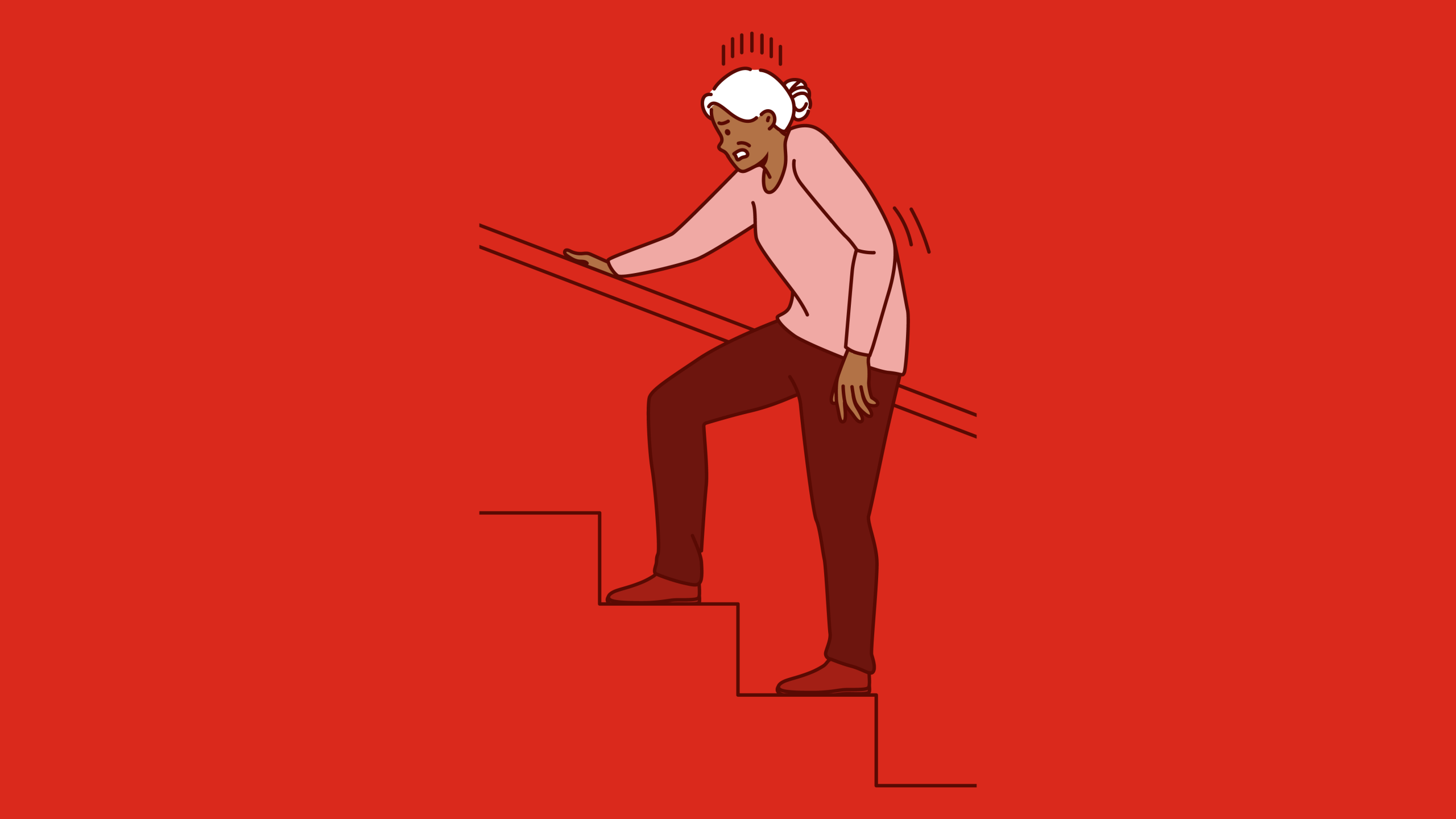
8. Evaluate your home’s safety
Sometimes, as we age, we take our home’s safety for granted. Things begin to pile up in the corners, lightbulbs burn out and are never replaced, or the smoke detector goes unchecked for five years. Prioritize safety this year by taking a careful look at your home and identifying what hazards need to be fixed.
Here are a few tips seniors can do to feel safer at home:
- Remove trip hazards and clutter from walkways
- Install grab bars or railing in the bathroom
- Replace lights in poorly lit areas
- Check outdoor spaces for large cracks, broken steps, or other hazards
- Check the smoke and carbon monoxide detectors annually
Another way seniors can cultivate a safer living environment is by participating in HomeWell’s SureStep Fall Prevention program. Through this program, clients receive a custom-designed in-home care plan that addresses a variety of factors, providing them with peace of mind and a complete care solution to fall prevention.
9. Organize your affairs
While it may not be the most fun, being proactive and getting important documents in order may be the best thing seniors can do for themselves this year. Aging adults should consider meeting with a lawyer to prepare their will, appoint a durable power of attorney for finances, and organize a living trust. Be sure to keep all these documents in one place and share the location with your loved ones or your attorney. Older adults may also consider talking with their loved ones about organ donation and funeral preferences.
You or your loved one may want to avoid these types of decisions, but preparing for end-of-life situations can ease the stress for family members, provide peace of mind, and help ensure that your wishes are honored.
10. Discuss the need for home care
No one likes to think about the day they cannot take care of themselves, and many families never have the conversation about who is going to care for mom or dad. While these discussions can be frustrating or disheartening, families who are prepared experience less stress and anxiety when the need for in-home assistance becomes a reality.
Families should decide whether a family member will become the designated caregiver or whether it would be best to hire a professional through a home care provider like HomeWell Care Services. Seniors should be involved in these conversations, as well, to ensure that their wishes are heard and their well-being is maintained. No, this may not be the most exciting New Year’s resolution for seniors, but it is certainly one of the most important.
Regardless of how well or how long you maintained your resolution last year, the new year is the perfect time to start anew. Take some time to reflect on this past year—what went right and what could have gone better—then decide what you want to see change in the new year and make it a reality.
Sources
1. Sternberg, T. von. The best diet for seniors: Eat well and stay healthy. HealthPartners. https://www.healthpartners.com/blog/best-diet-for-seniors/
2. Cleveland Clinic. (2023, May 30). Drink Up: The Connection Between Age and Dehydration. https://health.clevelandclinic.org/drink-up-dehydration-is-an-often-overlooked-health-risk-for-seniors
3. American Cancer Society. (2024, November 19). Quitting Smoking in Your 60s? Research Shows It’s Worth It. Cancer.org. https://www.cancer.org/cancer/latest-news/quitting-smoking-in-your-60s-research-shows-its-worth-it.html
4. Mosel, S. (2025, April 1). Alcohol use disorder and the elderly: Impacts of alcohol misuse on older adults. American Addiction Centers. https://americanaddictioncenters.org/alcohol/risks-effects-dangers/elderly-aging
5. Centers for Disease Control and Prevention. (2023, December 22). Older Adult Activity: An Overview. https://www.cdc.gov/physical-activity-basics/guidelines/older-adults.html
6. Harvard Health Publishing. (2024, July 20). Train Your Brain. https://www.health.harvard.edu/mind-and-mood/train-your-brain
7. National Institute on Aging. (2025, February 6). Sleep and Older Adults. https://www.nia.nih.gov/health/sleep/sleep-and-older-adults
8. Centers for Disease Control and Prevention. (2024, May 15). Health Effects of Social Isolation and Loneliness. https://www.cdc.gov/social-connectedness/risk-factors/index.html