Skin Conditions in Seniors: Common Concerns, Warning Signs, and Care Tips
By HomeWell Care Services
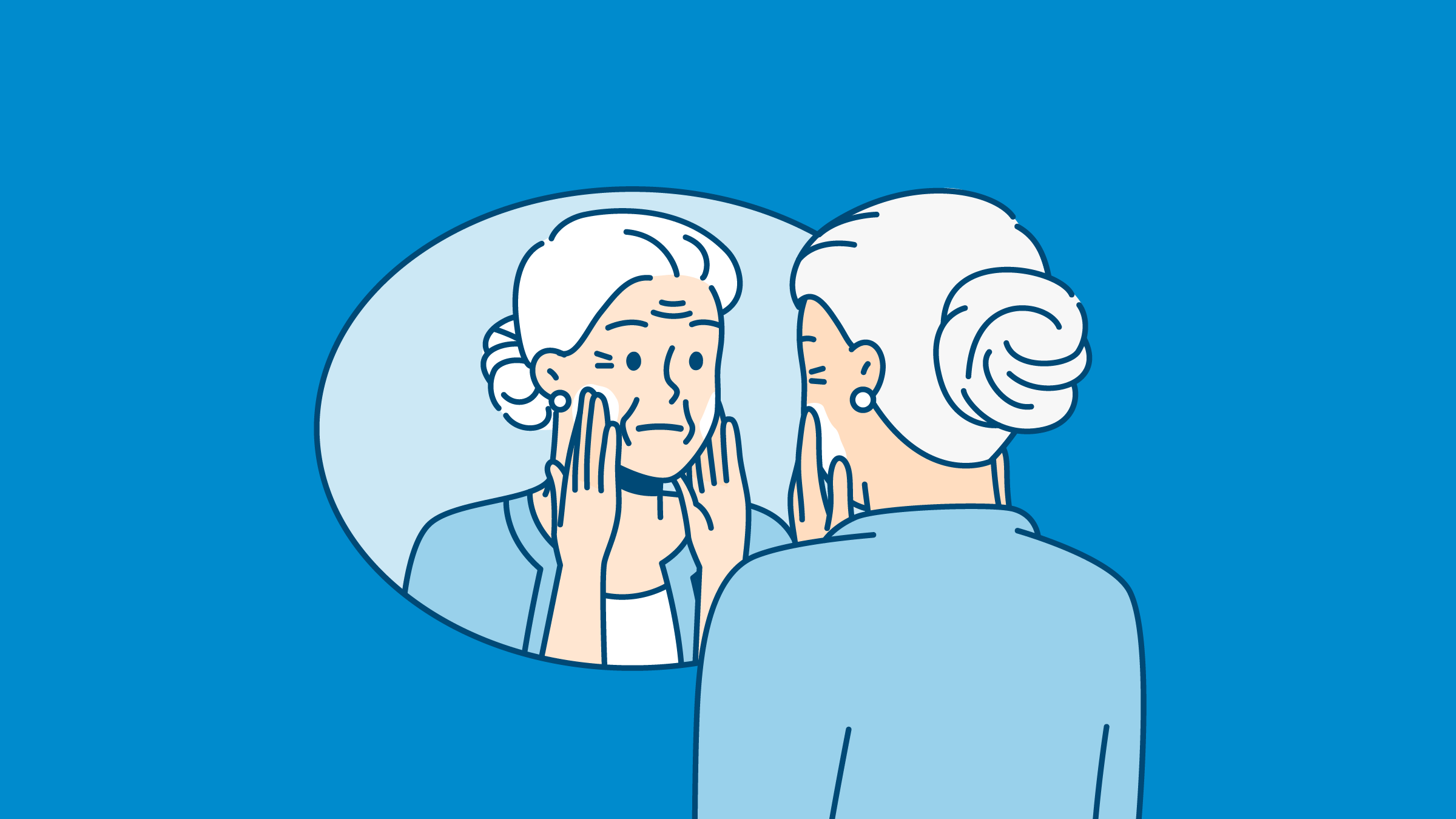
Changes to the skin are a natural part of aging, but that doesn’t mean all changes can be overlooked. While thinner, drier skin can be common with age, these changes can also make our aging loved ones’ skin more susceptible to irritation, infections, and other skin conditions.
Understanding what signs indicate typical age-related skin changes and what may signal a bigger concern can help you better protect your loved one’s skin health while providing greater peace of mind.
Note: While this blog offers general guidance about skin conditions in seniors, it does not replace advice from a medical professional. Please consult your healthcare provider for personalized recommendations and before starting any new treatment.
Table of Contents
Key Takeaways
- Typical age-related skin changes can vary from person to person. For instance, people of color can exhibit signs of aging up to 20 years later than people with lighter skin.
- It is especially important to distinguish between typical age-related skin changes and those that may signal a more serious condition, including skin cancer. Older adults and people with fair, freckled skin are among those at greatest risk of developing skin cancer in the U.S.
- Experts suggest performing at-home skin checks at least once per month to catch any concerning signs as early as possible. Follow the “ABCDE” rule (Asymmetry, Border, Color, Diameter, Evolving) to check skin for signs of a serious condition, including melanoma and other skin cancers.
- Simple habits like moisturizing, sun protection, proper hydration, and gentle cleansing can help older adults maintain healthy skin and reduce the risk of irritation or other concerns.
How skin changes as we age
As we get older, our skin naturally changes, often requiring a little extra care and attention. Skin becomes more delicate over time, and its ability to heal and protect itself can diminish. With age also comes natural influences — like loss of collagen, menopause and other hormonal changes — that affect how our skin ages.1
Signs of aging vary greatly from person to person. For instance, lifestyle and environmental factors play a significant role. While cumulative sun exposure typically has the biggest impact, tobacco use, smoking, excessive alcohol use, and poor nutrition can also contribute to premature signs of aging.2
Age-related skin changes can also vary depending on intrinsic factors, such as skin tone. For example, people of color tend to exhibit less severe facial aging and can even show signs of aging 10 to 20 years later than people with lighter skin. 2
Changes to the skin that are typical with age
Some skin changes are unavoidable, and many of which are generally nothing to worry about. However, if your loved one has persistent, bothersome skin changes, don’t hesitate to speak with a doctor to rule out any underlying conditions.
Skin changes that are typical with age can include:
- Wrinkles and sagging skin
- Dry or itchy skin
- Increased susceptibility to bruising
- Age spots, also called “liver spots”
- Skin tags
- Thinner, more fragile skin3
Changes that shouldn’t be ignored
Some skin changes warrant closer attention. From suspicious moles or sores to sudden changes in texture or appearance, knowing what to look for can help identify potential skin cancer or another serious skin condition early on.
One of the most common serious skin conditions in the U.S. is skin cancer, and older adults and people with fair, freckled skin are at the greatest risk. Experts recommend checking your skin about once per month for changes that could indicate possible cancer.3
The National Institute on Aging suggests the “ABCDE” rule for checking moles and birthmarks. If you or a loved one notices any of the following changes in a mole or birthmark, consider setting up an appointment with a doctor or dermatologist.
A: Asymmetry, meaning one half of the spot is a different shape than the other half
B: Border, meaning the outer shape of the spot is irregular or poorly defined
C: Color changes or there is more than one color present
D: Diameter, meaning the spot is oddly large or greater than the size of a pencil eraser
E: Evolving, meaning the spot has changed shape or grown in size rapidly, or there are other symptoms present, such as itching or tenderness3
The good news is that not every skin change or atypical mole is a definite indicator of skin cancer. Research estimates that only about 1 in 10,000 atypical moles transform into melanoma, a rare but very severe form of skin cancer.4 However, the possibility is there, which is why it’s always a good idea to err on the side of safety and have a doctor examine any concerning new marks or skin changes.
Other common skin conditions that may require extra care
There are a number of other skin conditions that commonly affect older adults and may need extra care. Some are chronic and manageable, while others can develop quickly and require medical attention. Family caregivers can play an important role by checking an aging loved one’s skin and helping spot changes early.
Other common skin conditions in older adults include:
- Rosacea: A chronic skin condition causing redness or a rash, usually on the face, and sometimes accompanied by tingling or burning sensations3
- Shingles: A disease caused by the same virus as chickenpox and triggers a painful skin rash3
- Psoriasis: A chronic disease that causes raised patches of itchy, burning skin often appearing on the elbows, knees, and scalp3
- Eczema: A condition especially common during the winter in which skin becomes severely dry, itchy, or cracked5
- Athlete’s foot: A fungal infection of the foot that can cause the skin to crack, blister, itch, or become red and scaly5
- Pressure injuries: Also called bedsores, these injuries affect about 1 in 10 nursing home residents and can develop when someone remains in the same position for too long. They can lead to complications, including infections, if left untreated.6
Tips to help an aging loved one maintain healthy skin
Gentle, proactive care can go a long way in supporting aging skin that feels dry and sensitive or is experiencing other signs of typical aging. By incorporating a few simple habits into an aging loved one’s routine, you can help them maintain more comfortable, healthy skin.
Consider these tips for your loved one:
- Protect skin from the sun. Encourage your loved one to wear sunscreen—SPF 30 or higher—and protective clothing when they’re spending time outdoors.
- Encourage good nutrition and hydration. Help them stay nourished and hydrated by making sure they drink enough water throughout the day and maintain a diet with plenty of fruit and vegetables.
- Avoid smoking. Smoking can make the skin feel rough and dry and, over time, can lead to more serious health conditions.
- Keep skin moisturized and clean.Encourage your loved one to bathe regularly to keep their skin clean. Applying moisturizer daily can also help relieve dry patches on the skin.
- Take steps to prevent pressure injuries. If your loved one is bedbound or uses a wheelchair, help them change positions regularly to reduce prolonged pressure on their skin where bedsores can form. It may help to speak with a doctor about pressure injury prevention.
- Check skin regularly. Routine at-home skin checks can help you and your loved one notice changes before they become more serious. Remember the ABCDE rule and pay close attention to areas your loved one may have trouble seeing themselves, such as their head, elbows, or tailbone.
How HomeWell can help
While home care won’t replace medical treatment for skin conditions, it can provide the day-to-day support needed to help older adults keep their skin as hydrated, healthy, and comfortable as possible.
At HomeWell, our caregivers can provide practical, nonmedical support to help your aging loved one maintain their personal hygiene and healthy routines while also taking extra care due to a skin sensitivity, dryness, fragility, or other age-related skin changes.
Disclaimer: The content provided in this blog is for informational purposes only and is not intended as medical advice, diagnosis, or treatment. Always seek the guidance of a qualified healthcare professional with any questions you may have regarding a medical condition.
Sources
- French, M. (2025, September 22). “How Does Aging Affect Your Skin.” Healthline. https://www.healthline.com/health/senior-health/aging-skin#effects-on-the-skin
- Vashi N. A., De Castro Maymone M.B., Kundu R.V. (2016, January 1). “Aging Differences in Ethnic Skin.” J Clin Aesthet Dermatol. https://pmc.ncbi.nlm.nih.gov/articles/PMC4756870/
- National Institute on Aging. (2025, February 11). “Skin and Aging.” https://www.nia.nih.gov/health/skin-care/skin-care-and-aging
- Cleveland Clinic. (2026, March 26). “Is That Mole Cancerous?” https://health.clevelandclinic.org/melanoma-when-should-you-worry-about-a-mole
- Urban, P. (2024, April 26). “8 Most Common Skin Conditions After You Turn 70.” https://www.aarp.org/health/conditions-treatments/skin-problems-over-70/?msockid=2656261c007e6ef40fcc326d01f06f82
- Johns Hopkins Medicine. “Pressure Injuries.” https://www.hopkinsmedicine.org/health/conditions-and-diseases/pressure-injuries